Excerpt: A visit to Jumbun Farm brought Traditional Owners, community leaders, the Indigenous Land and Sea Corporation and the National Landcare Network together to explore a community-led, Caring for Country future, connecting sustainable agriculture, local employment and regaining a sense of pride in their achievements on country
From 21 to 23 July 2026, representatives of the National Landcare Network (NLN) visited Jumbun Farm in Far North Queensland to meet with Jumbun Elders, Board members, Traditional Owners and representatives of the Indigenous Land and Sea Corporation (ILSC).
The visit created an important opportunity to listen, build relationships and explore how the organisations could work together to support Jumbun’s aspirations for sustainable agriculture, landscape restoration, employment and Caring for Country.
A community with deep connections to Country
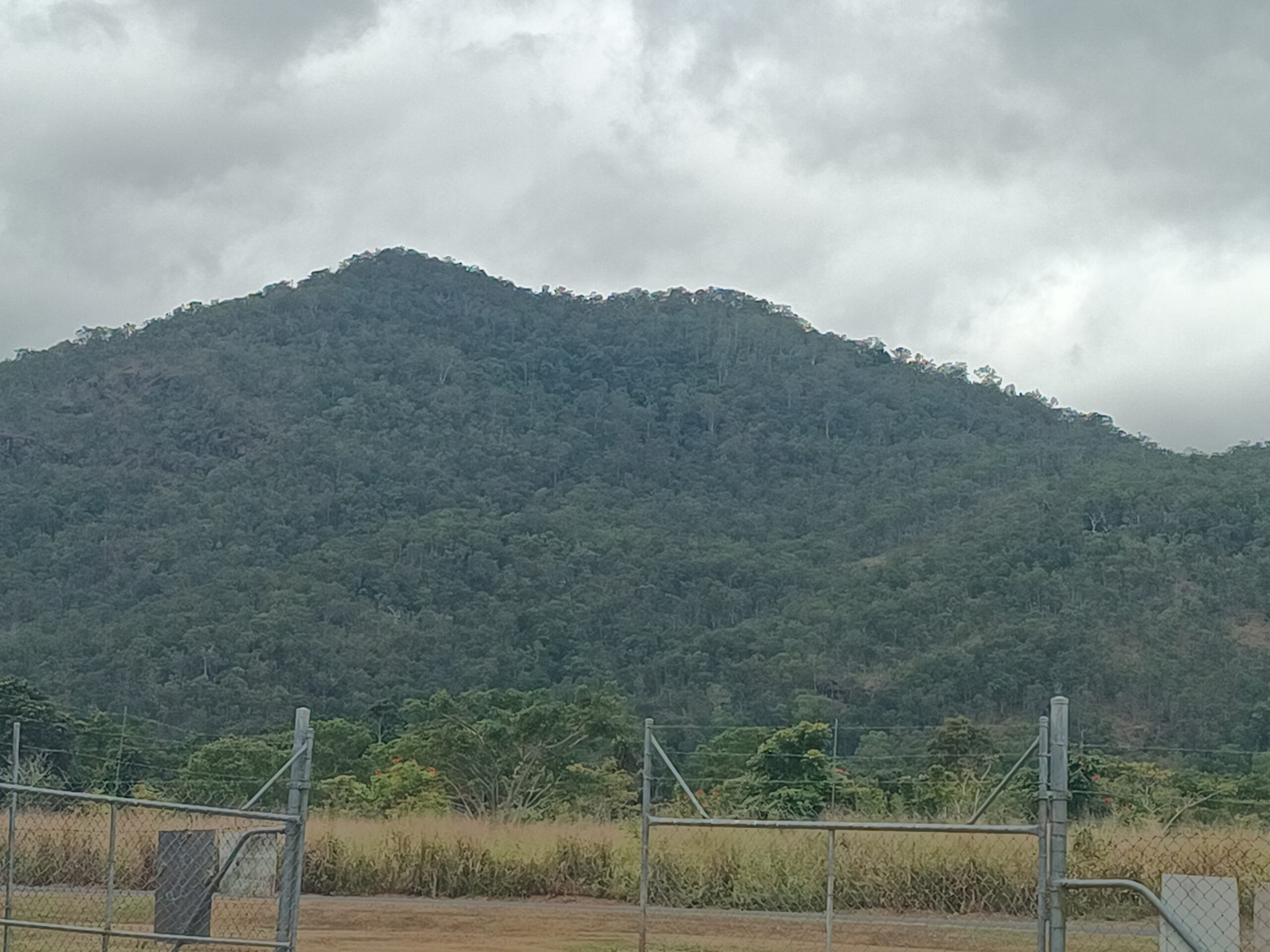
Jumbun Community is a 600-acre Aboriginal community situated between Cairns and Townsville. It adjoins Girramay National Park and shares a boundary with the Wet Tropics World Heritage Area.
The property was purchased by the former Aboriginal Land Fund Commission in 1976 to help address the dispossession of the Girramay, Jirrbal and Gulnay peoples. It is now held by the ILSC and managed on its behalf by Jumbun Limited, a community-controlled organisation working towards self-determination, economic development and stronger community outcomes.
Since the property was purchased, Jumbun has supported farming, retail and tourism activities, with the community continuing to pursue its long-term vision of living and working sustainably on traditional homelands. Learn more about Jumbun Community.
Listening to community priorities
During the Jumbun Board meeting, NLN’s First Nations Landcare Liaison discussed how Landcare knowledge, networks and partnerships could contribute to a long-term, community-led approach to productive agriculture and landscape restoration.
The discussion brought together cultural knowledge, practical land-management experience and contemporary science. Participants considered the opportunities and challenges associated with bringing the farm back into production, as well as the different skills, resources and relationships each organisation could contribute.
Central to the conversation was the importance of Traditional Owner leadership. Any future project would need to reflect Jumbun’s priorities, respect cultural authority and create lasting benefits for the community.
Following the meeting, participants toured Jumbun Farm and its existing facilities, machinery areas and agricultural land. The tour provided a practical picture of the property’s potential and the work that would be required to establish a sustainable farming and a long-term Caring for Country program.
Creating jobs while caring for Country
Jumbun Board members and Traditional Owners shared their aspiration to create meaningful employment for local Bama people while restoring the farm’s productive capacity.
A successful community-led enterprise could create jobs and career pathways for young people, build local skills and generate income that could be reinvested in Landcare, landscape restoration and community priorities. It could also help younger generations remain connected to community, culture and Country, providing real career paths, leading to meaningful change.
With Jumbun adjoining the Wet Tropics World Heritage Area, there is also potential for the property to demonstrate how sustainable agriculture, ecological restoration and Traditional Knowledge can work together in a culturally significant and environmentally important landscape.
The conversations reinforced that caring for Country is about more than environmental outcomes. It is connected to culture, identity, health, wellbeing, livelihoods and pride. Two-way knowledge sharing – bringing Indigenous cultural practices together with contemporary land-management knowledge will be fundamental to any future work.
The broader NLN–ILSC partnership
The Jumbun visit forms part of a broader relationship between NLN and the ILSC to strengthen First Nations leadership and participation across the Landcare movement.
Through the National Landcare Facilitator Program, NLN and the ILSC are working together to connect First Nations communities, experts and land carers with cultural land-management practices and contemporary natural resource management research. The program’s Two-Way Cultural and Modern Knowledge Sharing Initiative promotes cross-cultural knowledge sharing, professional development and collaboration in on-ground Landcare projects.
This complements the ILSC’s national role in assisting Aboriginal and Torres Strait Islander people to acquire and manage Country in ways that deliver economic, environmental, social and cultural benefits.
At Jumbun, these shared objectives come together in a tangible way: supporting community decision-making, strengthening capacity to manage Country and exploring an enterprise that could deliver environmental and economic benefits over the long term.
The relationship also builds on the ILSC’s longstanding work with Jumbun, including support for community facilities, housing, municipal services and local economic initiatives.
Walking together
The visit was an early but valuable step towards a shared understanding of what may be possible at Jumbun.
It reinforced that strong projects begin by listening to the people who know and care for Country, understanding their aspirations and building relationships based on respect and shared responsibility.
With Jumbun’s leadership, the ILSC’s land-management role and NLN’s national Landcare connections, there is an opportunity to develop a practical, community-led model that supports productive landscapes, meaningful employment and the continuing care of culture and Country.